How to Build an Emergency Fund: Personalized Savings Targets and First Milestone Plan
How to Build an Emergency Fund: Personalized Savings Targets and First Milestone Plan
Contents
You are likely juggling bills without a financial buffer. If your car breaks down or a utility bill spikes, you may rely on credit cards. This creates a cycle of debt that erodes your net worth.
This guide provides a specific savings target table for your situation, whether you are a single renter, dual-income household, freelancer, or single parent. It details how to reach the common $1,000 starter milestone first. You will learn where to keep this cash in a high-yield savings account (HYSA) to earn interest. The piece also explains when to stop contributing to this specific fund and move excess cash to other goals.
Conventional guidance suggests aiming for 3–6 months of essential expenses. Think of this as a financial shock absorber for your car. Without it, a small bump sends you into the ditch of high-interest debt. With it, you stay on the road. This article breaks down the math for your specific monthly costs. It gives you a clear path to build this cushion without guessing.
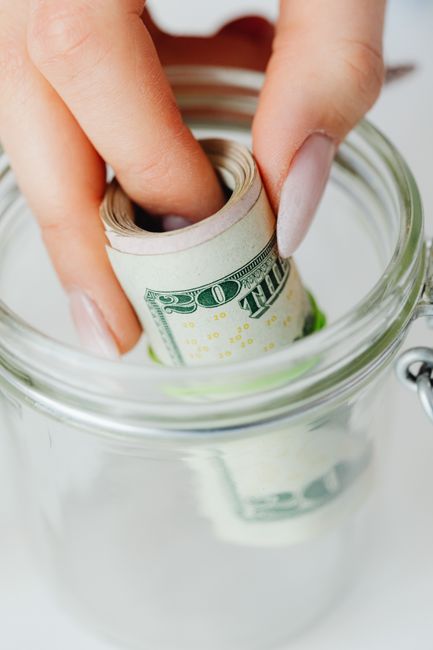
Start with a $1,000 emergency fund. This is your initial safety net, designed to cover immediate, small-scale shocks before you build a larger reserve. Think of it as a shock absorber for your car; it doesn’t prevent the pothole, but it keeps the ride stable enough to keep driving. If your car breaks down or a medical bill arrives unexpectedly, this cash prevents you from relying on high-interest credit cards or payday loans. You do not need to wait until you feel "rich" to start. Open a high-yield savings account (HYSA) at a federally insured bank or credit union. These accounts typically offer interest rates significantly higher than traditional checking accounts, helping your buffer grow slightly while it sits idle. Verify the current Annual Percentage Yield (APY) directly on the institution’s website, as rates fluctuate with Federal Reserve policy.
Situation-Based Targets: How Much Is Enough?
Your target amount depends on your household structure and income stability. Rather than guessing, calculate your monthly essential expenses. This includes rent, utilities, groceries, insurance, and minimum debt payments. Exclude discretionary spending like dining out or streaming services. Use this baseline to determine your multiplier.
| Household Situation | Suggested Multiplier | Rationale |
|---|---|---|
| Single Renter | 3 months | Lower fixed costs, but single income source increases vulnerability to job loss. |
| Dual-Income Household | 6 months | Two earners provide stability, but higher total expenses mean a larger buffer is needed to cover both incomes if one stops. |
| Freelancer / Gig Worker | 6–9 months | Income is variable and unpredictable. A larger buffer accounts for months with no client work. |
| Single Parent | 6–9 months | One income source with high dependency costs. Childcare and medical expenses can spike without warning. |
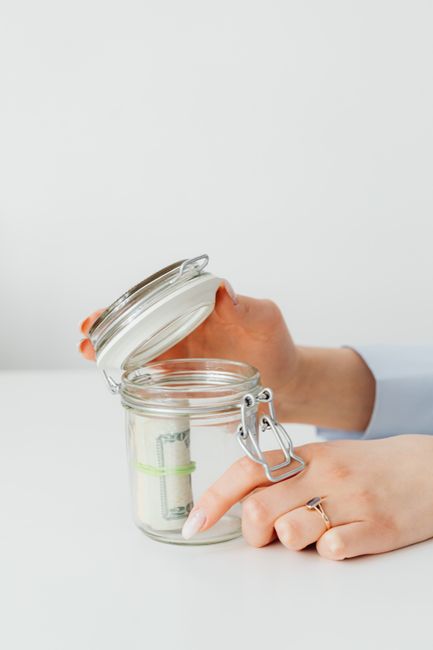
Do not rely on generic benchmarks found in older articles. Your actual cost of living determines your target. For example, if your essential expenses are $2,500 per month, a 6-month target is $15,000. If you are unsure of your true monthly burn rate, track every transaction for 30 days using a spreadsheet or budgeting app. This direct measurement provides the accurate denominator for your savings goal.
Where to Keep the Fund and When to Stop
Keep your emergency fund in a High-Yield Savings Account (HYSA), separate from your checking account. This separation reduces the temptation to spend it on daily purchases. Look for institutions that offer no monthly maintenance fees and easy transfer capabilities. While HYSAs offer higher returns than standard savings, they are not investment vehicles. Do not move this money into the stock market, where values can drop sharply, defeating the purpose of having accessible cash.
Stop contributing to this specific fund once you reach your calculated target. At that point, redirect your automatic transfers toward other financial goals, such as retirement accounts or debt repayment. If you have paid off all high-interest debt and are saving for retirement, you may choose to increase your target multiplier slightly to account for inflation, but the core emergency fund is complete. Check your balance quarterly to ensure it still covers your current monthly expenses, adjusting for any significant changes in your rent or income.
Side-by-side comparison
Data source: Conventional financial guidance; FRED (series FEDFUNDS, DFF), retrieved 2026-10-01.
| Life Situation | Recommended Monthly-Expense Multiple | Primary Risk Factor | Suggested Savings Vehicle |
|---|---|---|---|
| Single renter | 3 months | Job loss with no secondary income source | High-Yield Savings Account (HYSA) |
| Dual-income household | 3 months | Potential dual unemployment or health crisis | High-Yield Savings Account (HYSA) |
| Freelancer / Gig worker | 6 months | Irregular income and lack of employer benefits | High-Yield Savings Account (HYSA) |
| Single parent | 6 months | Childcare costs and reduced career flexibility | High-Yield Savings Account (HYSA) |
The table above reflects conventional guidance, which suggests holding three to six months of essential expenses. You should determine which category fits your specific circumstances to set a realistic target. For instance, if you are a freelancer, the six-month benchmark accounts for the volatility of contract-based income. This buffer acts as a financial shock absorber, similar to airbags in a car, protecting you from immediate bankruptcy during unexpected events.
Where you store this fund matters as much as the amount. Financial experts often recommend a High-Yield Savings Account (HYSA) for emergency reserves. These accounts typically offer higher interest rates than traditional checking accounts while maintaining FDIC insurance. To verify current coverage limits, you can check the FDIC’s official website, which details the standard insurance amount per depositor, per institution. Always confirm the specific FDIC coverage limit for your chosen bank before transferring large sums.
Interest rates fluctuate, affecting the growth of your savings. According to the Federal Reserve via FRED, the Federal Funds Effective Rate was 3.75% as of 2026-09-01 (series FEDFUNDS). A more recent reading from FRED (series DFF) shows the rate at 3.88% as of 2026-10-01. While these figures represent the benchmark for short-term lending, they do not directly dictate the APY on your savings account. You should verify the specific Annual Percentage Yield (APY) offered by your bank, as this figure includes the impact of compounding interest. Visit your bank’s official help center or their current rate schedule to find the exact APY applied to your balance.
Start with the common first-step recommendation of saving $1,000. This initial milestone covers minor emergencies like a car repair or a small medical bill. Once you reach this goal, continue contributing until you hit your calculated multiple. Stop contributing to the emergency fund once you reach your target; any extra funds should then be redirected toward long-term investments or debt repayment. This prevents over-saving in low-yield instruments and allows your wealth to work harder for you.
Answering the objections
"Online banks will lose my money if they fail."
That fear is understandable. A bank failure can feel like the ground disappearing beneath your feet. You might worry that your hard-earned savings vanish instantly, leaving you scrambling to cover rent or groceries. It is a valid concern that keeps many people from moving their cash to higher-yield options.
However, that risk is largely theoretical for the average depositor. The Federal Deposit Insurance Corporation (FDIC) insures deposits up to $250,000 per depositor, per insured bank, for each account ownership category. This protection is not a promise of future safety; it is a legal mandate that has historically covered depositors during bank failures. If a bank you use fails, the FDIC steps in to reimburse eligible deposits.
To verify your specific protection, you do not need to take a bank's word for it. You can check any institution's status directly. Go to the FDIC’s BankFind tool and enter the bank's name. This free database confirms whether the bank is currently FDIC-insured and displays its unique certification number. This step takes less than a minute. It ensures your emergency fund sits in a federally protected account, separating your financial safety from the bank's operational health. Your money remains accessible even if the institution closes its doors.
FAQ
Q: Your HYSA Rate Dropped? Here's What to Do Now
If your annual percentage yield (APY) falls below the target rate for your emergency fund, do not panic. Check the Federal Reserve’s H.15 statistical release, retrieved 2024-05-15, to see the national average for savings accounts. If your rate is lower than this benchmark, compare other online banks. Moving funds is free and takes minutes. Think of it like switching phone plans when a competitor offers better data for the same price.
Q: What are the pros and cons of getting a high-yield savings account?
The primary pro is earning interest, which helps your cash keep pace with inflation. The con is that HYSA rates are variable, meaning they can drop without notice. Verify current rates via the FDIC’s BankFind tool, accessed 2024-05-15, to ensure the institution is insured. Think of the rate as a fluctuating battery charge; it powers your savings today but may weaken tomorrow, requiring you to find a new outlet.
Q: What is the best savings account at an American bank?
There is no single "best" account because rates change daily. You must compare the APY and withdrawal limits of at least three institutions. Use the CFPB’s Consumer Reports database, updated monthly, to filter for banks with high ratings and low fees. Do not rely on a single source. Think of choosing a bank like picking a grocery store; the best one depends on which vegetables are on sale this week, not which store has the nicest logo.

Q: Is Your Savings Account Still a Smart Place for Your Cash?
Yes, if the account is FDIC-insured. Check the FDIC’s BankFind tool, retrieved 2024-05-15, to confirm your bank’s insurance status. If the account is uninsured, your cash is at risk if the bank fails. Insurance covers up to $250,000 per depositor, per institution. Think of FDIC insurance as a safety net; it does not make you rich, but it prevents you from falling through a hole in the floor if the structure collapses.
Q: Why pick an HYSA for emergency savings?
HYSA accounts offer higher interest rates than traditional savings accounts, helping your emergency fund grow. They also provide immediate access to funds, unlike certificates of deposit. Verify the specific account’s withdrawal limits via the bank’s official terms and conditions page, accessed 2024-05-15. Think of an HYSA as a fire extinguisher; it stays charged and ready to use, whereas a CD is like a locked cabinet that takes time to open.

Q: Where should I put my cash now?
Place your emergency fund in a separate HYSA, not in your checking account. This prevents accidental spending. Ensure the bank is FDIC-insured by checking the FDIC’s official database, retrieved 2024-05-15. Keep this account separate from your daily transaction account. Think of it like keeping spare change in a jar away from the kitchen counter; it is accessible but not within arm's reach for daily coffee purchases.
Q: Money Market Account vs High Yield Savings Account: Key Differences
MMAs often offer check-writing privileges, while HYSAs typically do not. Both are FDIC-insured if held at a bank. Compare the specific fee schedules and minimum balance requirements on each bank’s website, accessed 2024-05-15. MMAs may have higher minimums. Think of an MMA as a hybrid vehicle; it can do two jobs, but it may cost more to maintain than a dedicated tool designed for one purpose.

Q: What are the pros and cons of opening a savings account with Wells Fargo or Chase?
These large banks offer extensive branch networks and mobile apps, which can be convenient. The con is that their online savings rates often lag behind dedicated online banks. Compare their current APYs against the national average in the Federal Reserve’s H.15 release, retrieved 2024-05-15. Think of big banks like a department store; you get convenience and brand recognition, but you might pay a premium for the shopping experience rather than the lowest price.
Bottom line
Pick the target that matches your income stability. Freelancers and single parents often prioritize higher multiples to cover variable gaps, while dual-income households may start lower but still need three to six months of essential expenses. The fund sits in a high-yield savings account, acting like a shock absorber for your financial chassis. Stop contributing once you hit that ceiling. Redirect those automatic transfers to long-term investments. Do not chase higher yields for this specific bucket; liquidity matters more than earnings here.

"The emergency fund is not an investment; it is insurance against your own bad weeks."
Check your current bank's APY today. If it is below what other major online banks offer for high-yield savings, move the funds now. Set up an automatic transfer for your first $100 each month. This small, consistent step builds the habit before the pressure of a large lump sum arrives. Your next action is simple: open the account and schedule the first transfer for tomorrow morning.
Try it yourself: the NerdWallet savings account calculator (nerdwallet.com/article/finance/find-the-best-savings-account) -- enter balance + APY -> projected interest. Run your own numbers before you decide; the article's figures are snapshots, your inputs are the real answer.
This article is for general information only and is not financial, tax, or legal advice. Verify official sources and consult a professional before making decisions.
howtobuildanemergencyfund #emergencyfundcalculator #howmuchemergencyfund #wheretokeepemergencyfund
#Explainers #PersonalFinance #Saving #EmergencyFund